Guides
Miniature Tools Learning Plan for a Weekend of Practice
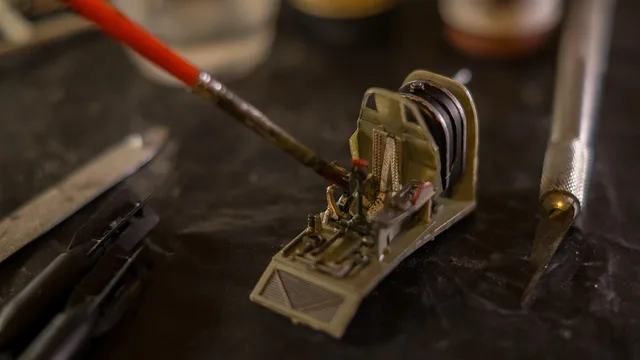
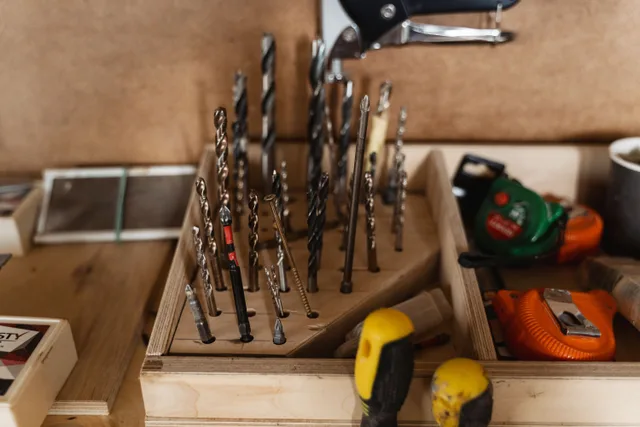
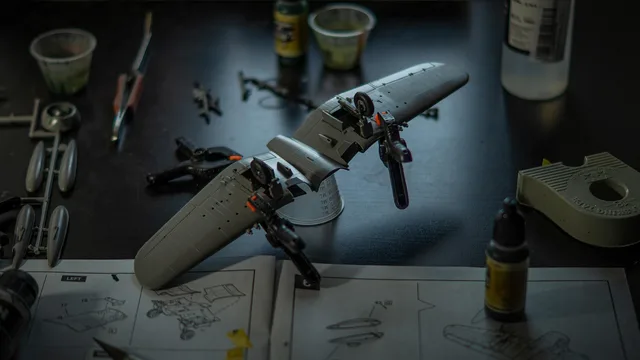
This miniature tools learning plan turns a weekend into cutting and pin-vise drilling practice, then builds simple jigs for miniature work before a project.

Section
Guides
This miniature tools learning plan turns a weekend into cutting and pin-vise drilling practice, then builds simple jigs for miniature work before a project.
Guides
Turn Parks Canada strata, tide lines and heritage buildings into diorama reference, with scale conversions and water-edge techniques for 1:12 and 1:24 builds.
Guides
Use US National Park visitor centers, historic sites and Library of Congress archives as free diorama reference, then scale buildings to 1:12 or 1:24.
Guides
Photographing a kit you made, for the people who will buy it: product photography for a kit run, showing what is in the box, close-up depth of field.
Guides
Running short kit batches from a spare room: separating cutting, packing and storage, controlling repeated skin contact with adhesives, and workshop fire basics.
Guides
Alberta miniature work survives dry air and long winters with the right glue, wood and paint habits, plus Calgary and Edmonton shops and maker spaces.
Guides
Book nook ideas for small apartments in Toronto condos: corridor scenes, cozy rooms, market stalls and tiny workshops sized for 20–25 cm shelves.
Guides
Miniature lighting on Canadian 120 V power means matching every driver, plug and switch to CSA Group certified parts before the first switch-on.
Guides
1:12 vs 1:24 scale is the first decision a beginner faces. Here is how each ratio changes your space, cost and the detail you can paint by hand.
Guides
Buy dollhouse miniatures in Canada from local shops and skip US import fees. Compare CAD pricing, Canada Post shipping and CBSA brokerage costs.
Guides
Diorama composition focal point depth decides whether a scene reads as a place or a shelf of parts. Four failures to fix, and the season each one shows up in.
Guides
This guide shows how to age miniature book page edges with tea or diluted acrylic ink, test washes on spare sheets, seal them and fix tide lines.
Guides
Most US bookcases are 10 to 12 inches deep; a book nook insert should finish at 9.5 inches or less, and this guide covers what fits, what does not, and when to stop.
Guides
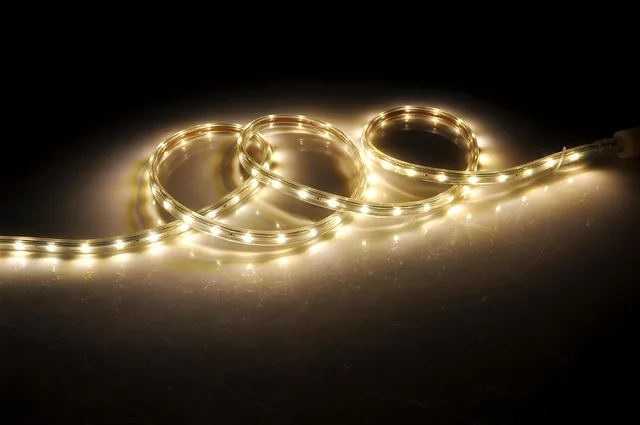
Wire book nook LED lights with a battery pack, hide the cord under trim, and test every joint with a multimeter before the back panel goes on.
Guides
Two days of lighting experiments on a single test box: one emitter moved everywhere, warm against cool, dimming behavior, and a labeled record you keep.
Guides
Diorama lighting how it works: what lumens, lux and color temperature mean, plus Kelvin figures, CRI and practical light levels for a book nook or shelf scene.
Guides
Small-space setup for working with book nook kits: setting up for a kit build in one room, where the sanding dust and spray go, how to light a bench without glare.
Guides
How a shallow tray turns a kitchen table into a book nook workbench, plus air and fumes in a small room, storing supplies and packing down in minutes.
Guides
A two-day plan that trades a finished room for practiced skills: test panels, paint failures worth causing on purpose, and a bench setup that survives ten hours.
Guides
Getting started with miniature building across the U.S: starting at one inch to the foot, reading scale, choosing a first project, finding materials in the U.S.
Guides
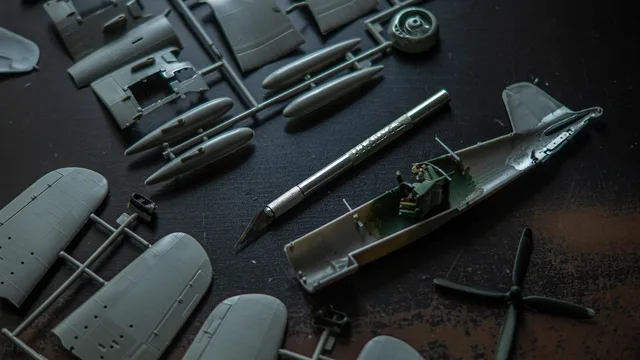
A practical guide to photographing a kit build as a sequence: parts laid out, consistent progress frames, a gray card for color, and one finished piece shot.
Guides
Photographing a lit interior at one-twelfth scale: cleaning first, lighting inside the box, fixing the color cast from LEDs, and settings that matter this close.
Guides
Planning a book nook in order: measure the shelf gap, fix the viewpoint, decide power and light before walls go up, and build in a sequence that avoids rework.