Guides
Miniature Diorama Reference from Canadian National Parks: What Translates
Turn Parks Canada strata, tide lines and heritage buildings into diorama reference, with scale conversions and water-edge techniques for 1:12 and 1:24 builds.
What to take away
- Parks Canada runs national parks and national historic sites together, so one agency supplies geology notes, restoration records and building dates.
- Yoho and Gros Morne give you sedimentary strata and bare mantle rock, ground the US national parks reference material does not cover in depth.
- Hopewell Rocks and Grand Pre show tide bands and dyked marsh, water-edge problems an inland reference set cannot solve.
- Measure a real feature on site, divide by 12 or 24, and confirm the number on paper before cutting foam.
Why Parks Canada Sites Beat Generic Photo Searches
Parks Canada manages national parks and national historic sites under one agency, so geology notes and restoration records arrive from the same source. Site brochures and canada.ca pages name rock types, tree species and building dates. Generic photo searches rarely carry that context.
Rock Strata at Yoho and Gros Morne
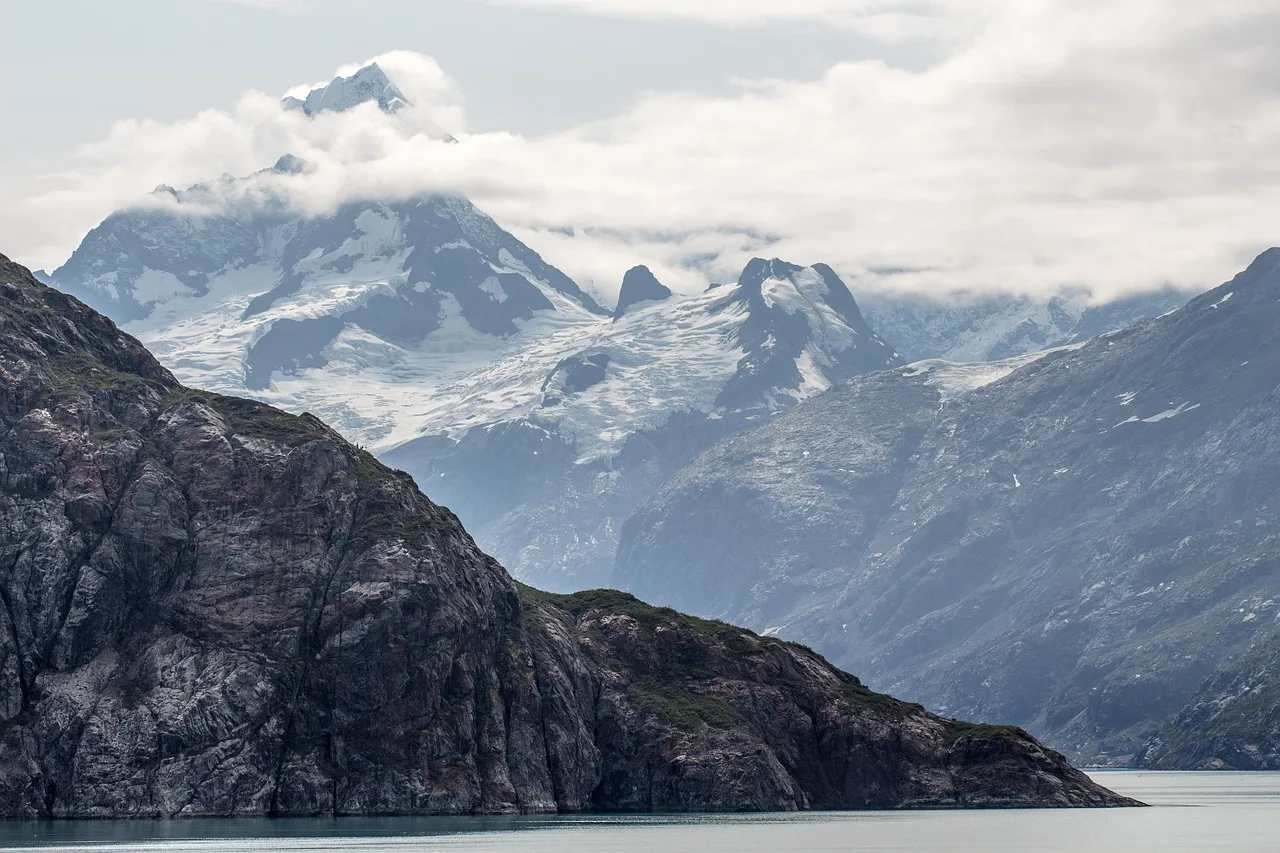
Yoho National Park protects the Burgess Shale, where fine sedimentary layers stack in flat, even bands. Model them with extruded polystyrene sheets cut to contour, glued in a stack, then carved with a wire brush.
Gros Morne National Park's Tablelands show the opposite problem: orange-brown peridotite with almost no soil. Use bare foam, dry pigments and a few creeping plants instead of forest floor material.
Cut and dry-fit every foam sheet before gluing. Strata lines look wrong when the stack leans.
Tools That Handle Canadian Rock and Water
A hot wire foam cutter shapes extruded polystyrene quickly, and a stiff wire brush opens grain in the cut face. Aves Apoxie Sculpt fills gaps in stonework and sands smooth. Woodland Scenics static grass and fine flock cover ground planes without hiding the foam edges.
Water Edges from Glacial Lakes to the Bay of Fundy
Lake Louise and Emerald Lake read as opaque and milky because suspended rock flour scatters light. Tint casting resin with a touch of white and a hint of blue instead of leaving it clear.
At Hopewell Rocks, sandstone stacks stand dry at low water and sit half covered at high water. Paint the tide band as a stained stripe and keep the water surface low.
Grand Pre National Historic Site adds dyked salt marsh, where grass lies flat and channels cut the mud. Fine flocking and a few shallow grooves reproduce it. The practical detail is set out in Make Miniature Books Look Old Paper.
Heritage Buildings at Louisbourg, Green Gables and L'Anse aux Meadows
The Fortress of Louisbourg is a partial reconstruction, so new timber sits beside weathered stone. Copy that contrast and the miniature stops looking factory fresh.
Green Gables Heritage Place in Prince Edward Island offers a Victorian farmhouse with white trim and green gables, a clean study in horizontal siding.
L'Anse aux Meadows National Historic Site has sod walls over timber frames. Foam board, carved edges and fine flocking reproduce that construction.
Sealing a porch or a fence calls for finishes you can live with in a small room, and the EPA Safer Choice program lists products screened for safer chemistry.
Vegetation Palettes from Boreal Forest to Tundra
Boreal spruce and fir read as dense, dark and narrow. Tundra plants on the Tablelands read as low mats and gray-green cushions, so one green mix will not cover both.
- Boreal forest:dark green flocking, narrow conifer cones, thick trunks.
- Alpine tundra:low mats, tiny leaves, visible gravel between plants.
- Coastal marsh at Grand Pre:flat yellow-green grass with thin channels.
- Garry oak at Fort Rodd Hill:gnarled trunks and dry grass beneath.
Scale Table for Canadian Reference Features
Comparing 1:12 and 1:24 before cutting saves rework, and scale models use fixed ratios, so a conversion table beats guessing.
| Reference feature | Typical real size | At 1:12 | At 1:24 |
|---|---|---|---|
| Fort palisade post | 2.4 m tall | 200 mm | 100 mm |
| Louisbourg masonry course | 300 mm | 25 mm | 12.5 mm |
| Farmhouse door opening | 2.0 m | 167 mm | 83 mm |
| Sandstone bed at Hopewell Rocks | 500 mm | 42 mm | 21 mm |
Book nooks usually sit on shelves with 280 mm to 305 mm of depth, so a 1:24 build in a 300 mm box leaves room for a backdrop and hidden wiring.
Example: A Fundy Tide Band in a Book Nook
- Measure the shelf depth and cut a foam base to fit, leaving 10 mm at the back for wire.
- Carve sandstone stacks with a hobby knife, then drag a wire brush down each face.
- Paint the low-water zone dark, then add a lighter band up to the tide mark you recorded.
- Glue in static grass and a few dried stems above the tide line only.
- Seal with matte varnish, then test the lighting before closing the frame.
Depth cues do most of the work in a shallow box. A foreground rock, a mid-ground stack and a distant mist band give the eye three planes, which is how depth perception reads distance.
Comparing US and Canadian Reference Sets
The US national parks reference page covers visitor centers, historic sites and Library of Congress archives, which is the better start for American building plans.
Parks Canada fills the remaining gaps with strata, tide lines and boreal planting. Read both sets, then model only the features your scene actually shows.