Reviews
Part of A realistic take on miniature building, 2027 edition
Choosing the eight tools worth buying first for miniature building
What a first miniature building kit needs to do, the eight tools worth buying immediately, what to postpone, and the two injuries that catch beginners.
What to take away
- A first kit for miniature building needs to cut straight, hold small parts still, and sand a flat edge. Everything else can wait.
- The eight tools below name real products and typical prices.
- Replace blades before they feel dull.
- Wear safety glasses at the bench, even for a job that looks harmless.
What the kit actually has to do
Miniature work is four operations repeated in different orders: cut a straight line, hold two parts together while glue sets, remove a small amount of material, and place something too small for fingers. A tool earns its place by doing one of those better than what you already own. That is the whole test.
Four operations miniature work repeats
- Cut a straight line
- Hold two parts while glue sets
- Remove a small amount of material
- Place something too small for fingers
No product below is ranked from side-by-side testing. Prices are public list prices or typical US retail ranges as of 2026, with labels where they are estimates.
The eight tools worth buying first
These eight cover cutting, holding, sanding, and placing. Each entry names a specific product, what it does, and a typical US price range as of 2026.
Bought new at typical US retail, the eight together run about $150 to $400. Art supply and hardware stores carry most of the list; the Starrett rule and the Dumont tweezers come from machinist and jewelry suppliers.
- X-Acto No. 1 knife with No. 11 blades.The handle takes replaceable blades, and the No. 11 pointed blade does most miniature cutting. A handle costs about $5 to $10. A five-pack of No. 11 blades costs about $3 to $6, and a 100-pack about $20 to $35.
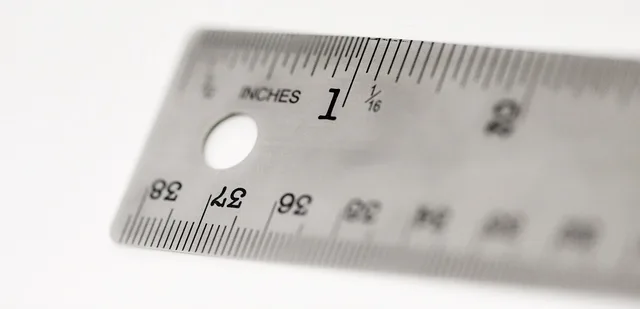
- Starrett C604R-12 steel rule or a hardware-store equivalent.A 12-inch rule is for cutting against, not for measuring. Starrett's tempered steel rule costs about $30 to $50. A Stanley or Westcott 12-inch steel rule costs about $5 to $12 and handles most cuts.
- Olfa self-healing mat, 12 by 18 inches.Olfa mats have a printed grid and close their cuts after the blade passes. A 12 by 18 inch mat costs about $25 to $45. An 18 by 24 inch Olfa costs about $60 to $100. A piece of hardboard works if you accept it will be ruined.
- 3M Wetordry sandpaper sheets or Micro-Mesh cushioned abrasives.3M Wetordry sheets come in grits from 220 to 600 and cost about $1 to $3 each. Micro-Mesh pads run from 1,500 to 12,000 grit, and a set costs about $15 to $30. Emery boards in two or three grits also work.
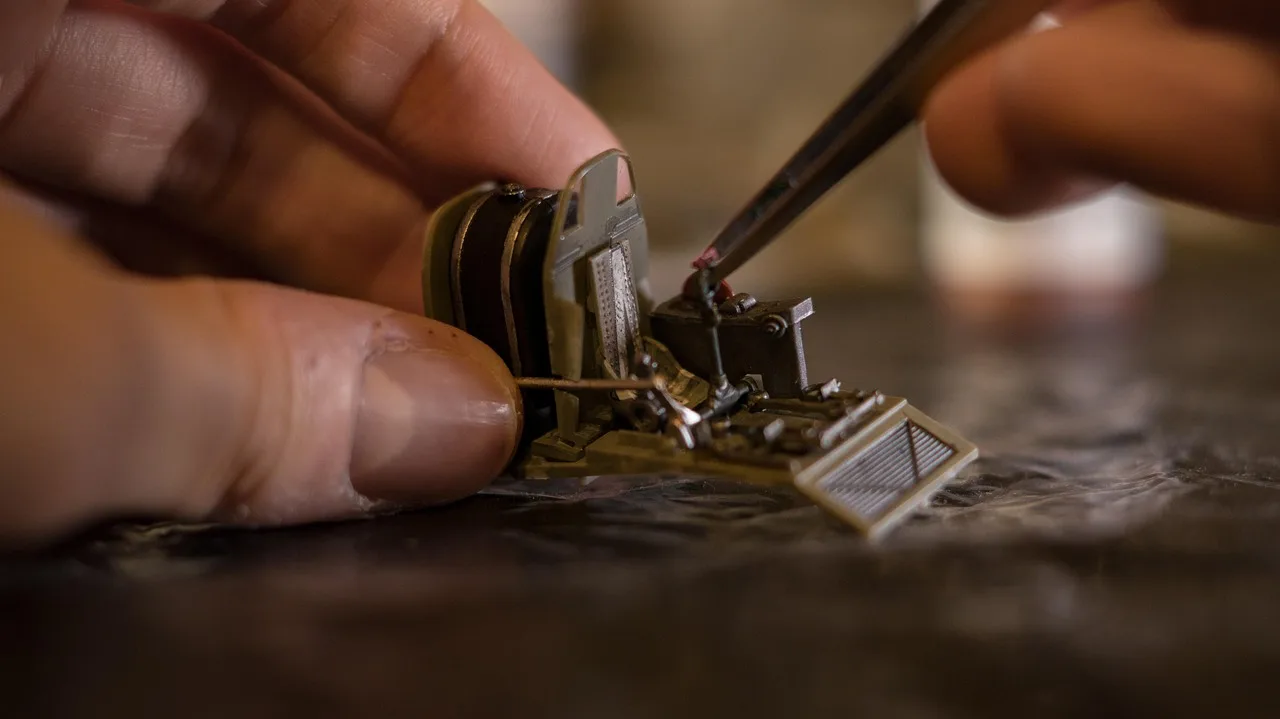
- Dumont No. 5 tweezers, plus a bent pair.Dumont's Swiss-made tweezers hold small parts with fine tips. A straight No. 5 costs about $40 to $70. Tamiya straight tweezers cost about $15 to $25 and suit a first kit.
- Pony Jorgensen 1-inch spring clamps, wooden clothespins, and rubber bands.Pony Jorgensen spring clamps hold glue-ups with light pressure. Each 1-inch clamp costs about $3 to $5. A bag of 50 wooden clothespins costs about $5 to $10.
- Incra 6-inch precision square or a Starrett 6-inch machinist square.A small square checks that walls meet at 90 degrees. Incra's 6-inch square costs about $30 to $50. Starrett's 6-inch square costs about $60 to $120, and an Empire machinist square costs about $10 to $20.
- General Tools 70528 pin vise with No. 61 to No. 80 drill bits.A pin vise holds small drill bits by hand for pilot holes. General Tools' pin vise costs about $10 to $15. A set of No. 61 to No. 80 bits costs about $10 to $25. Starrett's 166A pin vise costs about $40 to $70 if you want a heavier tool.
That set will build a room box. It will not build one quickly, which is a different complaint.
What to postpone
An airbrush, miniature table saw, resin printer and cutting machine solve problems you do not have yet. Buy them when a specific job keeps failing without them, as set out in Buy them when a specific job keeps failing.
An airbrush earns its place when brush marks keep showing on parts that need smooth, even color.
A miniature table saw earns its place when you are ripping sheet stock to the same width again and again and a steel rule and knife keep drifting off the line.
A resin printer earns its place when you need several identical small parts with detail no hand tool reaches.
A cutting machine earns its place when you are cutting one window or brick pattern dozens of times.
Each is a purchase for a repeated job, not for a first room box.
Expensive brushes: cheap ones ruined by careless washing teach brush care, and when you stop ruining them you know what shape you reach for.
Blades, and the injury that surprises people
Change the blade far more often than feels reasonable. A dull blade needs pressure, pressure slips, and a slipped cut travels. Snap-off blades should be snapped with pliers into a jar, never with fingers.
The cut that goes wrong is usually not the long one. MedlinePlus notes that puncture wounds often look like surface damage but can extend into deeper tissue. Punctures and dirty wounds are among the more likely to become infected.
A blade tip in a fingertip qualifies on both counts. Wash your hands and the wound, apply direct pressure, and get a deep or dirty puncture looked at.
Eyes, and the splinter you did not expect
A hobby bench does not feel like an eye hazard, which is the problem. NIOSH's eye safety guidance records that small particles such as dust, chips and slivers striking or scraping the eye cause most eye injuries. Wood or metal slivers can penetrate the eyeball and cause permanent vision loss.
Sanding basswood, snapping a blade and flicking a spring clamp all launch small hard things at speed. Look for ANSI Z87.1 marked on the lens. 3M Virtua and Uvex Genesis are common pairs, typically $10 to $25.
Glasses that fit are the answer, adjusted for coverage and comfort so you keep them on. If you are new to all of this, the wider setup is covered in starting at one-twelfth scale, and the thing all this sits on is covered in the surface you cut on.