Costs
Why Do Dollhouse Miniature Kits Vary So Much in Price?
Why miniature kits vary in price: US retail runs $18 to $410. Cutting origin, parts count, lighting and distributor margin explain most of the spread.
What to take away
- US kit prices at the same scale run from roughly $18 to $410. The spread comes from where the parts were cut, how many there are, and whether lighting is in the box.
- Import kits carry freight, duty and distributor margin. US laser-cut kits carry machine time and small-shop labor.
- Batch size moves unit cost more than material choice does. Setup time is fixed, plywood is not.
- The lines buyers forget are shipping, sales tax, glue and finish, and replacement parts.
Two 1:12 kits can share a shelf, look alike in the listing photo, and differ by $300. The gap comes from who cut the parts, how many pieces are in the box, and who pays for the lighting.
What the kit price covers
An imported kit price bundles freight, a duty rate set by tariff classification, and distributor margin before the US hobby store adds its own. Duty rates move with trade policy, so a figure quoted in a forum thread is usually stale.
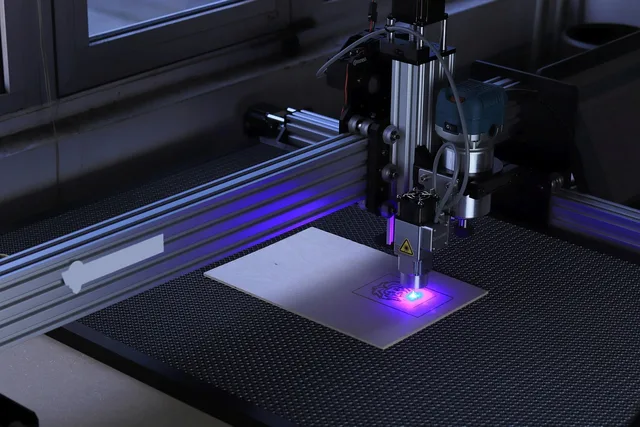
A kit cut in Ohio or Oregon skips most of that chain. It replaces it with laser time, sheet waste, hand packing and the machine operator's hourly rate.
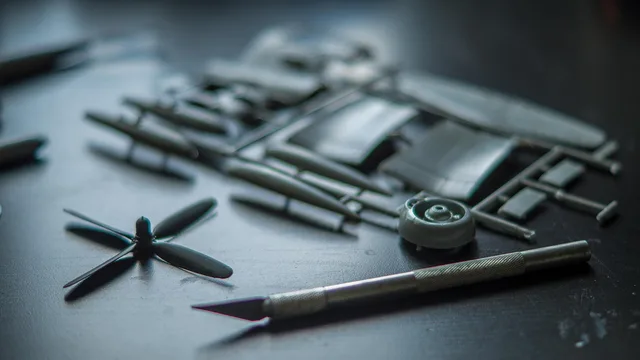
Labor scales with part count; a molded import does not, and tool cost belongs in the sum. A starter bench of a craft knife, a steel rule, a cutting mat, clamps and wood glue typically runs $50 to $100. What a starter bench must earn back is worked through in Costing a beginner tool kit.
What each cost line adds
Figures are illustrative, and assume a mid-size US hobby shop and a buyer in a state with sales tax.
| Kit tier | Typical US retail | Cutting and setup | Parts and packing | Lighting | Freight, duty and importer margin |
|---|---|---|---|---|---|
| 1:24 flat-packed import | $18-35 | 10-15% | 10-15% | none | 15-25% |
| 1:12 die-cut import | $30-70 | 10-15% | 10-20% | none | 15-25% |
| 1:12 US die-cut plywood | $70-140 | 15-20% | 15-25% | none | n/a |
| 1:12 US laser-cut shell | $140-260 | 20-30% | 20-30% | none | n/a |
| 1:12 US laser-cut, lit | $260-410 | 15-25% | 15-25% | 10-20% | n/a |
The rest is distributor and store margin.
Furniture is the largest swing inside a scale. A 1:12 kit with twelve finished chairs, a bed and a dresser can run two to three times the shell-only version of the same house.
Lighting is the second swing. Prewired LED strip costs more than bare strip because the wiring still has to meet a standard, and the National Electrical Code is the reference US inspectors work from.
What scale changes
1:24 kits use roughly a quarter of the sheet stock of 1:12 and far fewer parts, so a drop from $140 to $35 is mostly real. At the small end, packaging and shipping can outweigh the wood.
Cost does not scale linearly upward. Doubling a linear dimension multiplies surface area by four, and every wall, floorboard and roof panel still needs finishing.
What the listing price leaves out
- Shipping on a large flat box, often $12 to $30
- State and local sales tax where the seller has nexus
- Glue, primer, paint and a finish coat
- Replacement parts after a snapped piece
- Tools the kit assumes you owna craft knife, a steel rule, sandpaper and clamps
None of those appear in the listing. A $34 kit plus $18 shipping, $9 of paint and a $22 replacement frame is an $83 kit.
A kit that assumes you own a knife, a steel rule and clamps is cheaper than one that does not; the assumed tool list is set out in tools worth buying first.
A $140 shell with no lighting can cost more than a $210 kit that includes a tested LED strip, a driver and a switch. Price the finished scene, not the box.
Battery LEDs avoid the cord and the wall adapter, so they turn up in cheaper kits. Water-based finishes often cost more per ounce than solvent ones, and the EPA Safer Choice label is one way to check what is in the bottle before paying a premium.
Where the margin actually goes
Run the arithmetic on a 24 by 36 inch sheet of 3 mm plywood at an illustrative yield of six kits per sheet. A sheet that size typically sells for $10 to $20, so the plywood in one kit comes to about $2 to $3.
One sheet vs twenty sheets
One sheet a week
- Units per run
- 6 kits
- Fixed cost per unit
- about $20
- Setup and file prep
- spread over 6
- Maker cost to shelf
- $70 to $140
Twenty sheets in one run
- Units per run
- 120 kits
- Fixed cost per unit
- roughly $2
- Setup and file prep
- spread over 120
- Maker cost to shelf
- $70 to $140
Setup, file prep and a first-article check on one design run about $120. Cut one sheet a week, and that fixed work spreads across six kits, so each kit carries about $20.
Cut twenty sheets in one run, and the same work spreads across 120 kits. The fixed share falls to about $1 each, or roughly $2 once tape, film and a mid-run test cut are counted.
Most US hobby shops still buy near the old keystone figure, roughly half the shelf price, so a kit that costs a maker $70 reaches the shelf near $140.
Warped sheets, short part counts and cracked window trim are the usual returns. Returns come out of the same margin, and spotting the flaws that trigger them is covered in miniature building mistakes.
Example: a $34 kit against a $210 kit
Both are 1:12. The $34 kit is the kind a Chinese die-cutting factory ships by the container load. It arrives flat-packed with die-cut walls, printed wallpaper, plastic furniture in a bag, and no lighting.
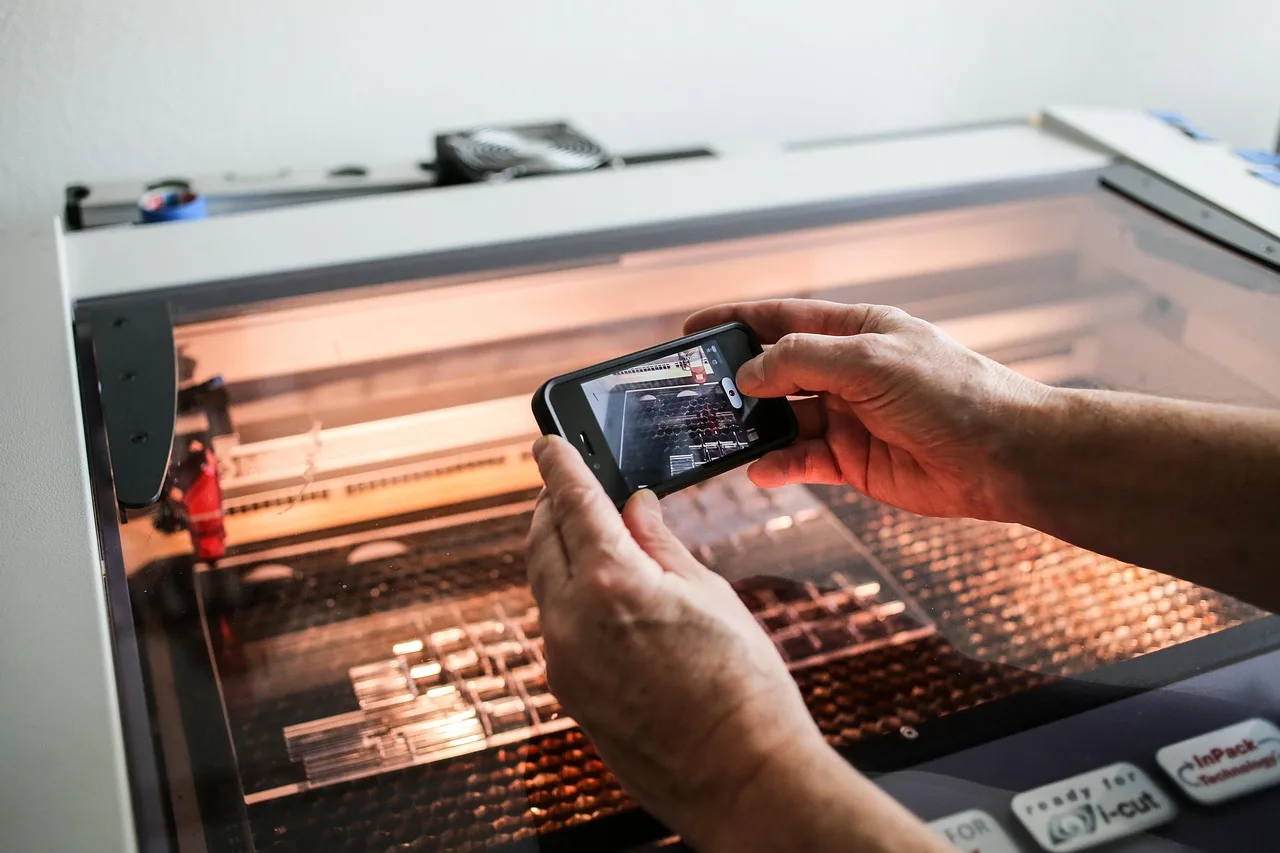
The $210 kit comes from a small US shop, the kind of maker that sells on Etsy and cuts one sheet at a time on a desktop laser such as a Glowforge. It arrives as laser-cut plywood, a wiring loom with a driver and a switch, and window hardware.
The cheaper kit needs glue, paint, a craft knife and a weekend of finishing before it looks like the box photo. The pricier one needs the same glue and paint, plus wire routing.
Water-based PVA lifts with a damp cloth, and cyanoacrylate does not. Replacement sheets are worth keeping, and choosing repair materials by how easily they undo is argued in Picking repair materials.